
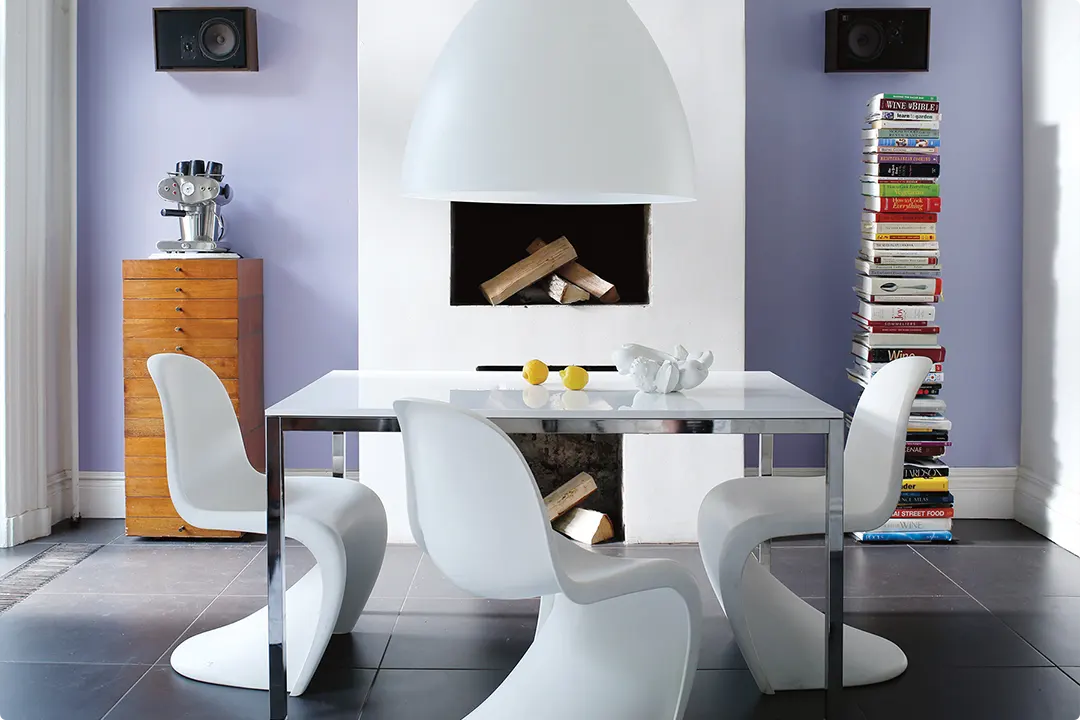
White is one of those colors that people either love immediately or totally overthink. And honestly, the overthinking makes sense.
Too much white and suddenly your living room feels like a dentist’s waiting room. Not enough, and you miss out on that clean, bright, effortlessly put-together look you were going for.
Here’s the thing though. White is actually one of the most forgiving colors you can work with. It plays nice with everything. It makes spaces feel bigger. It gives you room to change your mind later without having to redo everything.
So if you’ve been wanting to bring more white into your home but didn’t quite know where to start, this is the guide for you.
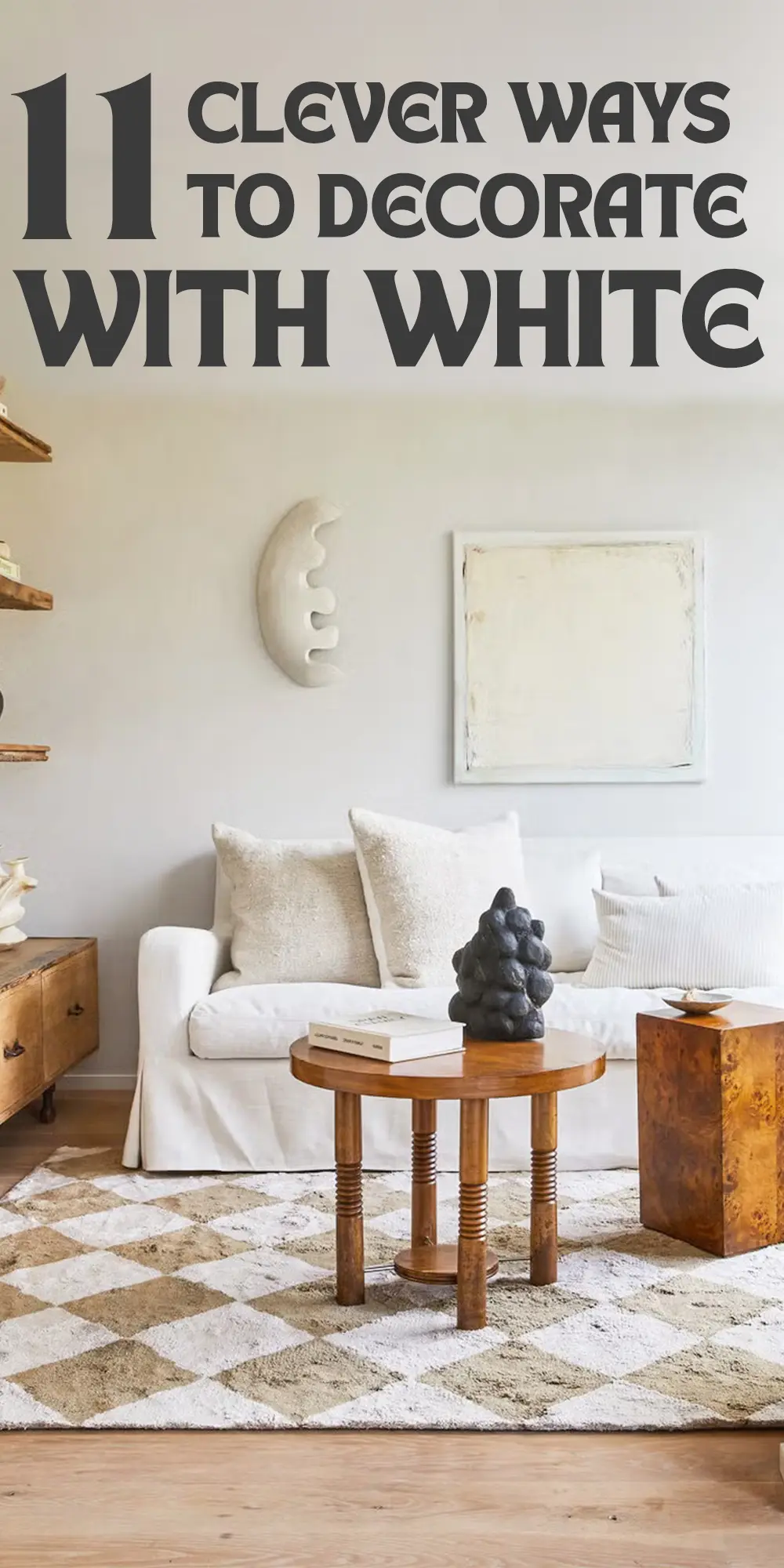
Advantages of Decorating With White
Before jumping into the how, it’s worth spending a second on the why. Because white isn’t just a “safe” choice. It’s actually a really smart one.
First, white reflects light better than almost any other color. Natural light bouncing off white walls makes a room feel twice as big as it actually is. If you live in an apartment or a home with small rooms, this matters a lot.
Second, white is the ultimate neutral. You can pair it with bold colors, soft pastels, rich wood tones, black accents, or literally anything you already own. Nothing clashes. Nothing fights for attention. It all just works together.
Third — and this one doesn’t get mentioned enough — white makes your space easier to update. Want to try a new color scheme next year? Cool. Your white base is still there. You swap out a rug, change the cushions, add a new throw, and the whole room looks different. You didn’t have to repaint or replace furniture.
Finally, white has this quality of making a room feel clean and calm. Even a cluttered room looks a little more manageable when the walls are white. There’s something about it that just settles the eye.
Also Read: 11 Smartest to Decorate with Navy
11 Ways to Decorate With White
1. Start With White Walls and Actually Commit to Them
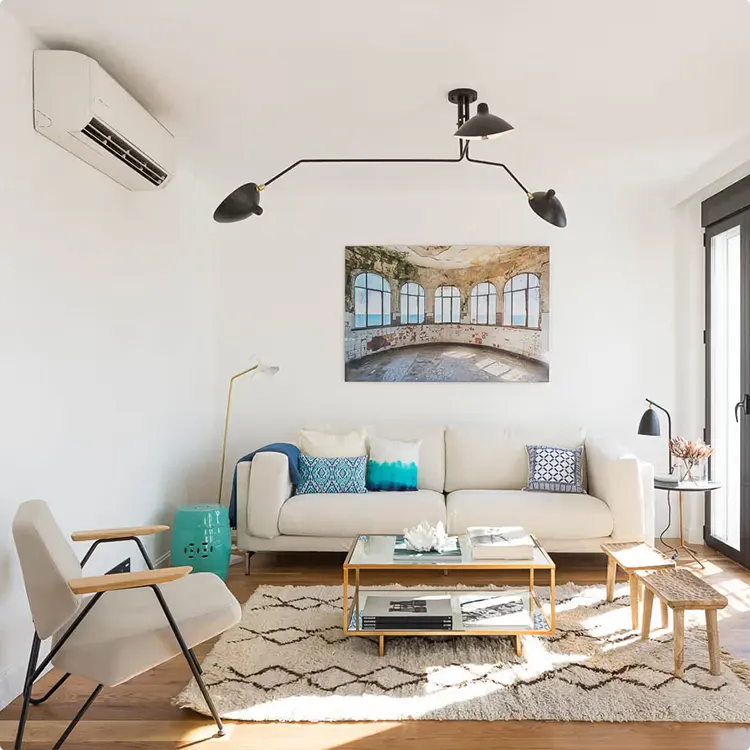
Most people know white walls are a good idea, but then they second-guess themselves at the paint store and end up going with “barely beige” or “just a hint of gray.” Nothing wrong with those, but if you actually want the brightness and spaciousness that white brings, you have to go for it.
Now, there are a lot of whites out there. Like, a genuinely overwhelming number of whites. Bright white looks crisp and modern, great for kitchens and bathrooms. Warm white or off-white feels cozier and more inviting, which works well in bedrooms and living rooms. Soft white sits somewhere in between and tends to look good in just about any room.
The key is to test your paint on the actual wall before committing. A color swatch in the store looks totally different under your home’s lighting. Buy a small sample pot, paint a big square, and look at it at different times of day. Morning light and evening lamp light will show you two very different things.
2. Layer White Bedding to Make Your Bedroom Feel Like a Hotel
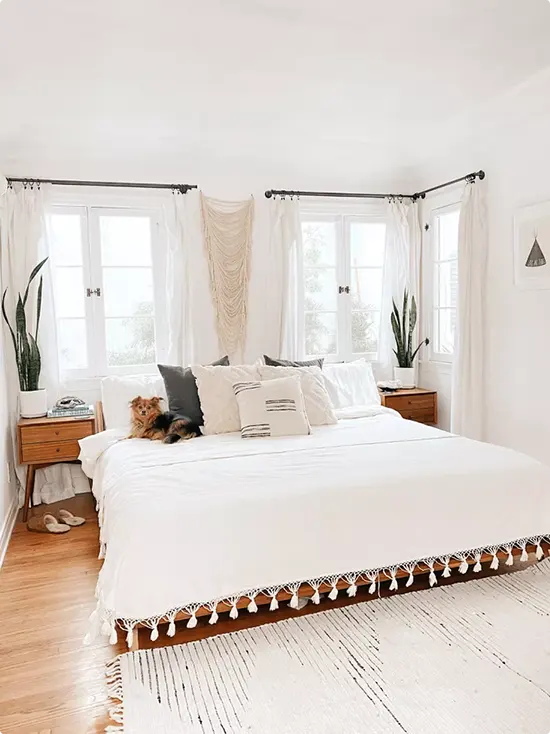
There’s a reason hotel beds look so good. It’s mostly the layers. A white fitted sheet, a crisp white duvet, a couple of white pillowcases, and maybe a lightweight white throw at the foot of the bed — that’s really all it takes.
The trick to making it look interesting instead of flat is texture. Mix a waffle-knit blanket with a smooth linen duvet cover. Add a chunky cotton throw. Use pillowcases in slightly different whites — some warm, some cool. It all reads as “white” but up close there’s so much going on.
You don’t need expensive bedding either. A simple white duvet cover from pretty much anywhere looks elevated when it’s ironed and layered properly. The effort matters more than the price tag.
3. Use a White Sofa (Yes, Really)
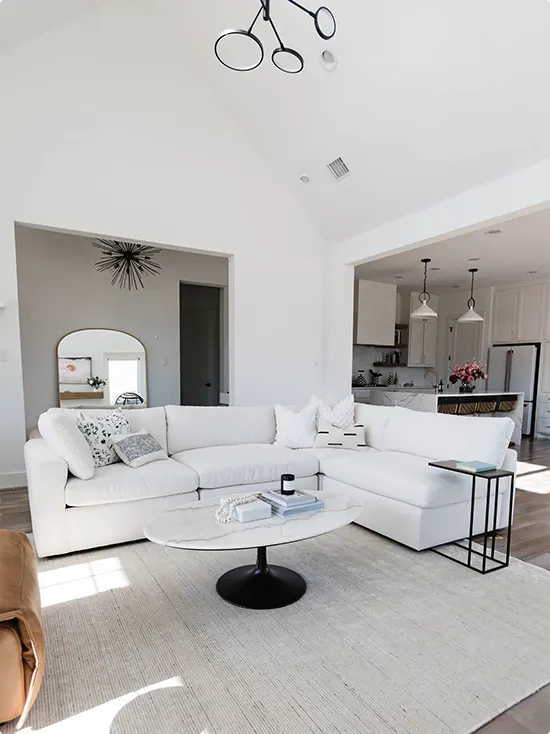
A white sofa sounds like a terrible idea if you have kids or pets. And, well, it might be. But if you can make it work, a white sofa is one of the most beautiful pieces you can have in a living room.
It anchors the space without dominating it. It makes everything around it pop. And it gives you so much flexibility with cushions and throws — you can change the whole feel of the room just by swapping those out.
If you’re nervous about practicality, look for white sofas with slipcovers that can actually be washed. Or go for a performance fabric that wipes clean. There are real options now that don’t require you to live in fear of your own furniture.
4. Mix White With Natural Wood Tones
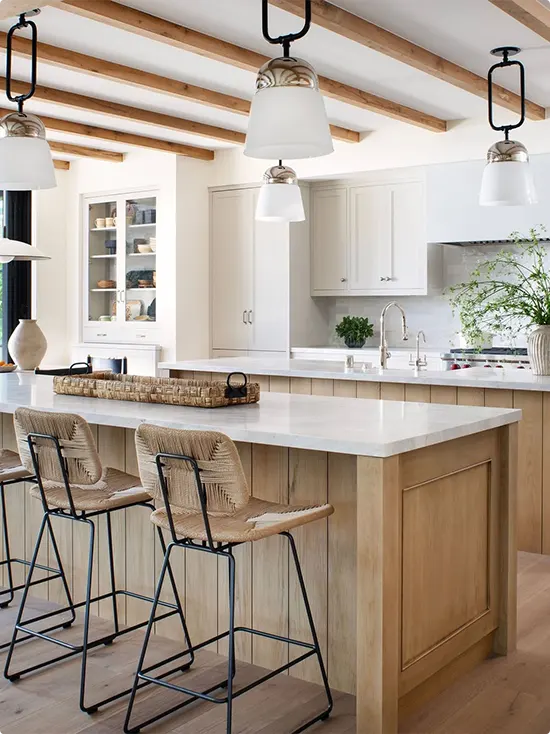
This combination is probably the most reliably good-looking pairing in home decor. White and wood just belong together.
White keeps things fresh and light. Wood brings warmth so the room doesn’t feel cold or clinical. Together they hit this sweet spot that feels both modern and cozy at the same time.
You’ll see this everywhere — white kitchen cabinets with wood floors, white shelves with wooden picture frames, a white bed frame with a warm oak nightstand. It works in every single room. If you’re ever unsure what to pair with a white element, wood is almost always the right answer.
The more contrast between the two, the more dramatic the effect. Very pale white against a dark walnut is striking. A creamy off-white next to a light pine is gentler and more relaxed.
5. Layer Different Shades of White Together
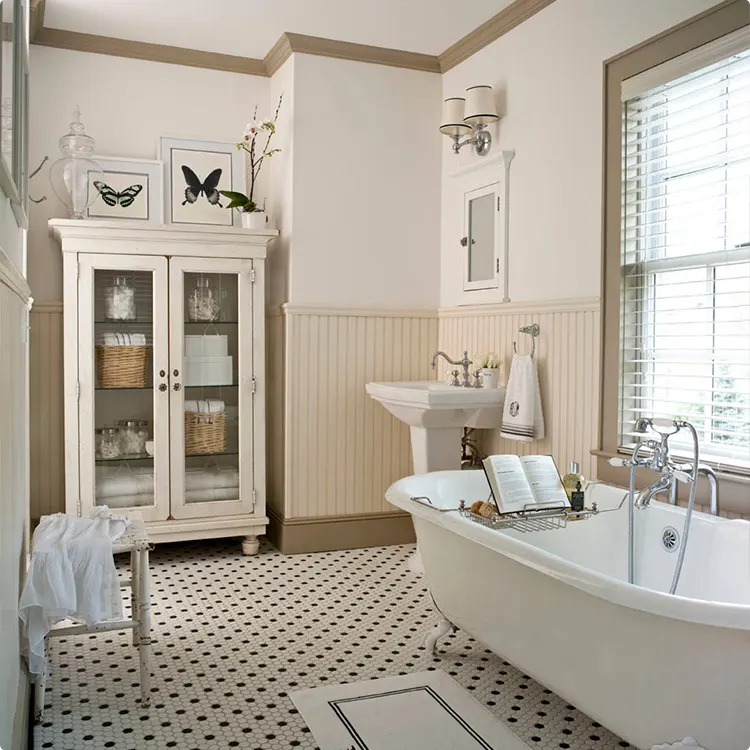
This one surprises people. You’d think that mixing different whites would look like a mistake, like you couldn’t make up your mind. But done right, it actually adds a lot of depth.
Think about a room where the walls are a warm white, the trim is a brighter white, the sofa is an off-white, and the curtains are a cool, slightly blue-toned white. None of them are the same, but they all read as part of the same family. The subtle variation is what makes the room feel layered and considered instead of flat and boring.
The key is to make sure your whites are all pulling in the same general direction — either all warm or all cool. Mixing a very warm cream with a very cool stark white can look unintentional. But whites that are close to each other on the spectrum work together beautifully.
6. Bring in White Through Textiles
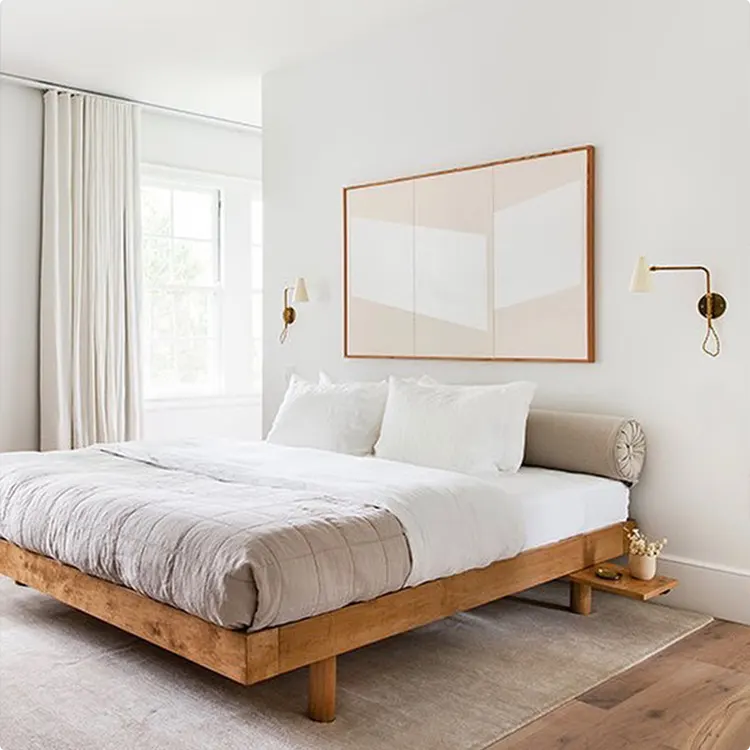
If you’re not ready to commit to white walls or white furniture, textiles are the easiest entry point. Curtains, rugs, cushions, throws — any of these in white or off-white will immediately lighten the feel of a room.
White linen curtains are especially good. They let light filter through softly, they make ceilings feel higher, and they add this relaxed, airy quality that almost no other window treatment can match.
A white or cream rug can ground a room and tie together furniture pieces that don’t naturally match each other. A white throw draped over a dark sofa breaks it up and keeps things feeling light.
Textiles are also easy to update and easy to wash, which makes white a lot more practical here than it might seem.
7. Don’t Forget the Ceiling
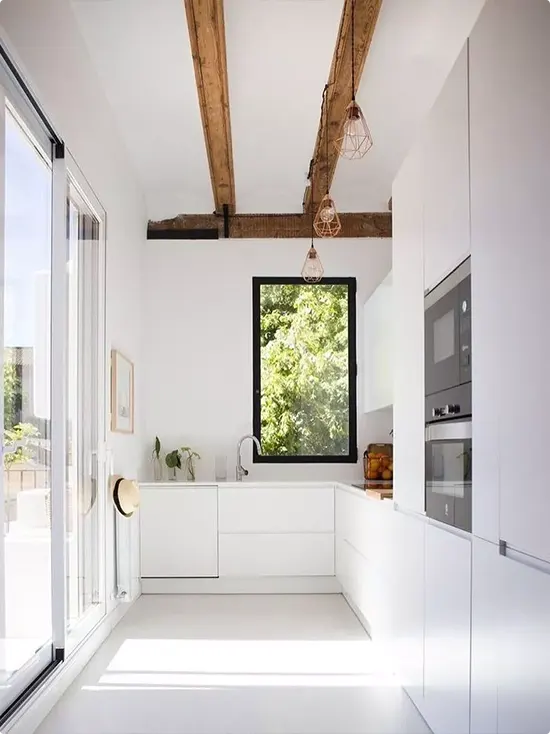
So many people paint their ceilings the same color as their walls, or just pick a generic off-white and don’t think much about it. But your ceiling is actually a huge part of how a room feels, and white is almost always the right choice up there.
A white ceiling reflects light downward into the room. It visually pushes the ceiling up, making the space feel taller. Even in a room with deeply colored walls, a white ceiling keeps things from feeling too heavy or enclosed.
If you want to get a little more deliberate about it, try painting your ceiling a half shade lighter than your walls. It creates a subtle gradient that makes the room feel even more open without being obvious about it.
8. Make It Work in the Kitchen
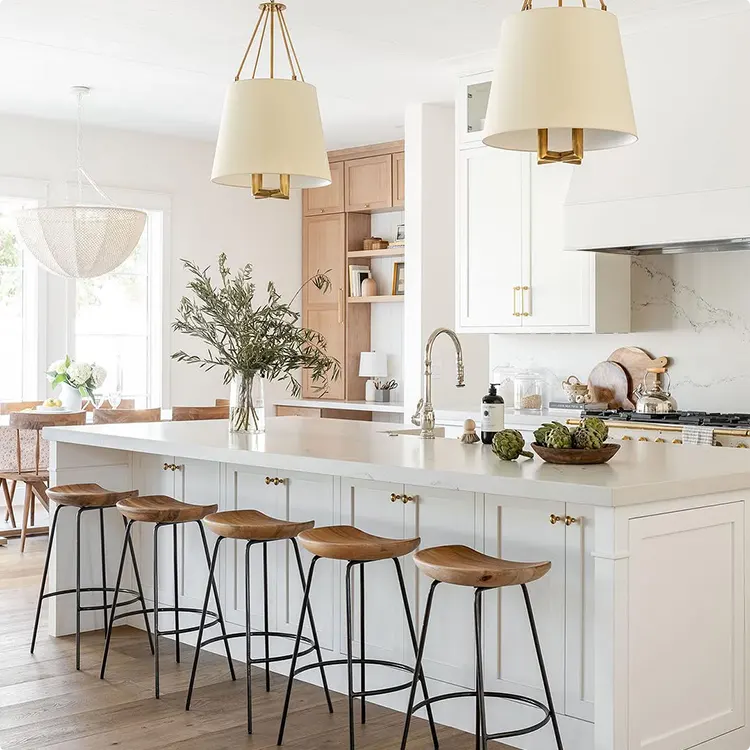
Kitchens see a lot of action. Things get spilled, splashed, and generally messed up on a regular basis. And yet white kitchens remain one of the most popular choices, and for good reason.
White cabinets make a kitchen feel clean and organized even when it’s not. They reflect the light from windows and overhead fixtures, making the whole space feel brighter. And they go with any countertop material — marble, butcher block, quartz, tile — so you have a lot of flexibility.
If you’re worried about white cabinets getting dingy, go for a semi-gloss or satin finish. Those are much easier to wipe down than matte. And remember that white cabinets showing some wear and patina over time can actually look charming rather than tired, especially in a more casual or farmhouse-style kitchen.
Open white shelving in a kitchen is also a nice touch. Stack some white dishes, add a few plants in white pots, and it looks genuinely styled without trying too hard.
9. Create a Spa Feeling in the Bathroom
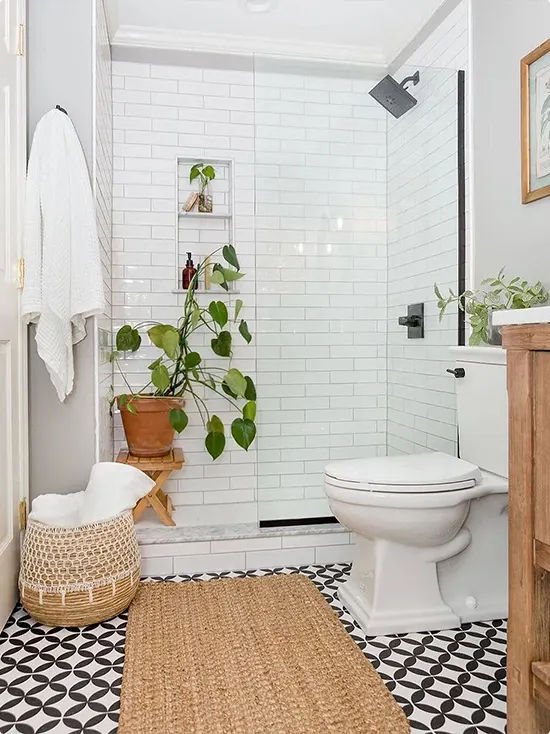
White in a bathroom is practically a no-brainer. White tiles, white towels, white accessories — it all comes together to create that clean, spa-like feeling that makes a bathroom feel like a treat to be in rather than just a room you pass through.
The thing to watch out for is making it feel too cold. The fix is usually texture. Subway tiles with a matte finish feel warmer than glossy. A chunky white bath mat adds softness. White linen towels have a completely different energy than thin, bright-white cotton ones.
Adding one warm metallic — brass, warm gold, even a brushed nickel — through hardware and accessories takes the edge off and stops the room from feeling overly sterile. You don’t need a lot. Just a towel ring, a mirror frame, a soap dispenser. That’s enough.
10. Use White Planters and Let the Plants Do the Work
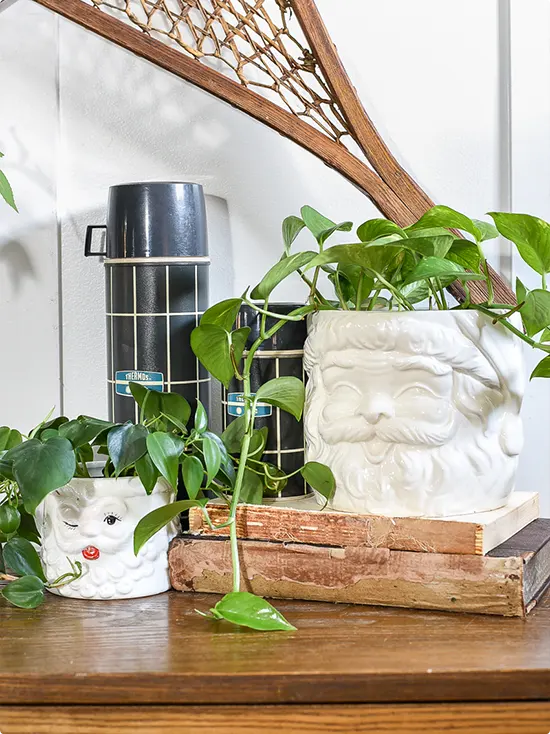
Plants in white pots are a combination that just makes sense. The white keeps the focus entirely on the plant itself. The green of the leaves pops against a white planter in a way it never quite does against terracotta or black.
White planters also have the nice quality of going with every other element in a room. They don’t introduce a new color or compete with anything. They just sit there looking clean and simple and letting the plant be the star.
This is an especially good trick in rooms where you want a little life and color but you don’t want to disturb an otherwise calm, neutral palette. A fiddle leaf fig in a large white planter, or a cluster of small succulents in a set of matching white pots on a windowsill — it looks effortless and finished.
11. Use White as an Accent When You Don’t Want to Commit to It Everywhere
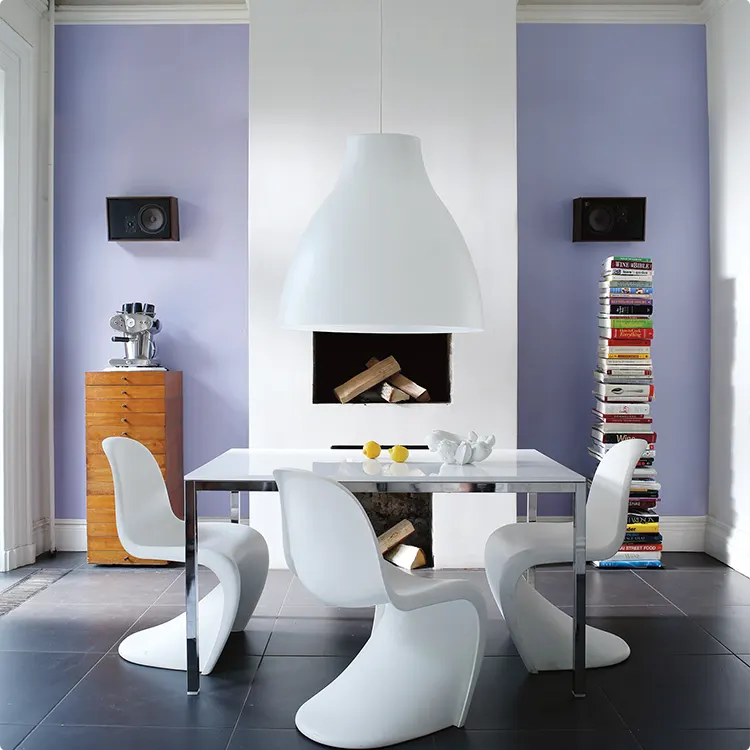
Not every room needs to go all-in on white. Sometimes a few white accents are all it takes to freshen things up.
White candles on a wooden shelf. A white lamp on a side table. White picture frames on a gallery wall. A white vase with some dried flowers. These are small things, but they have a way of adding brightness and breathing room to a space that’s feeling a little heavy or dark.
This approach works especially well in rooms that are already quite colorful or where the furniture is dark. White accents act like little punctuation marks. They give the eye somewhere to rest. They keep the room from feeling too closed-in or serious.
And the great thing about accents is that they’re easy to move around, swap out, or try in different combinations. You can experiment with white this way without any real risk.
FAQs About Decorating with White
Won’t white show every mark and stain?
It does show things more than darker colors, that’s true. But a lot of white surfaces are easier to clean than you’d expect. White paint can be wiped down. White fabric can mostly be washed. White tiles and countertops can be bleached when needed. Whether it’s practical really depends on the specific material and finish more than the color itself.
White feels cold to me. How do I warm it up?
Skip the stark, cool whites and go for warm whites, creams, or off-whites instead. Then layer in warm materials — wood, wicker, linen, wool, leather. Warm lighting helps a lot too. Edison bulbs or soft warm LEDs will make any white room feel cozy rather than cold.
I have a really small room. Should I still use white?
Yes, especially if the room is small. White is one of the best tools you have for making a small space feel larger. It reflects light, keeps the eye from stopping at the walls, and removes visual clutter. A small room painted white with minimal furniture can actually feel quite generous.
Can renters decorate with white even if they can’t paint?
Absolutely. Focus on textiles, furniture, and accessories. A white duvet, white curtains, white cushions, white candles — these things don’t require any changes to the walls and they can dramatically shift the feel of a space. When you move out, everything comes with you.
What’s the difference between warm white and cool white?
Warm whites have yellow, red, or brown undertones — they feel cozy and inviting. Cool whites have blue or green undertones — they feel crisp and modern. Neither is better than the other. It depends on the mood you want and what you’re pairing them with. In rooms with a lot of natural wood, warm white tends to feel more harmonious. In rooms with steel or chrome, cool white often looks better.
Do I have to go all-white or can I mix?
You can absolutely mix. In fact, mixing white with other colors, textures, and materials almost always looks better than going entirely white. White works best as a foundation or a supporting player, not as the only thing in the room. Even the most “white” rooms you’ve ever seen usually have a mix of tones, textures, and natural materials running through them.