

There’s something quietly magical about lavender growing right beside a patio. The moment you step outside, that soft, calming scent greets you, the silvery-green foliage catches the light, and suddenly your patio feels less like an outdoor space and more like a place to linger. Lavender doesn’t just look beautiful, it changes the entire experience of being outdoors.
Planting lavender near your patio is one of those simple garden choices that pays you back every single day. It invites pollinators, keeps unwanted pests at bay, perfumes the air on warm evenings, and adds an effortless, timeless charm that works with almost any style, from rustic cottage gardens to clean, modern patios. And the best part? Lavender is surprisingly low-maintenance once it’s established.
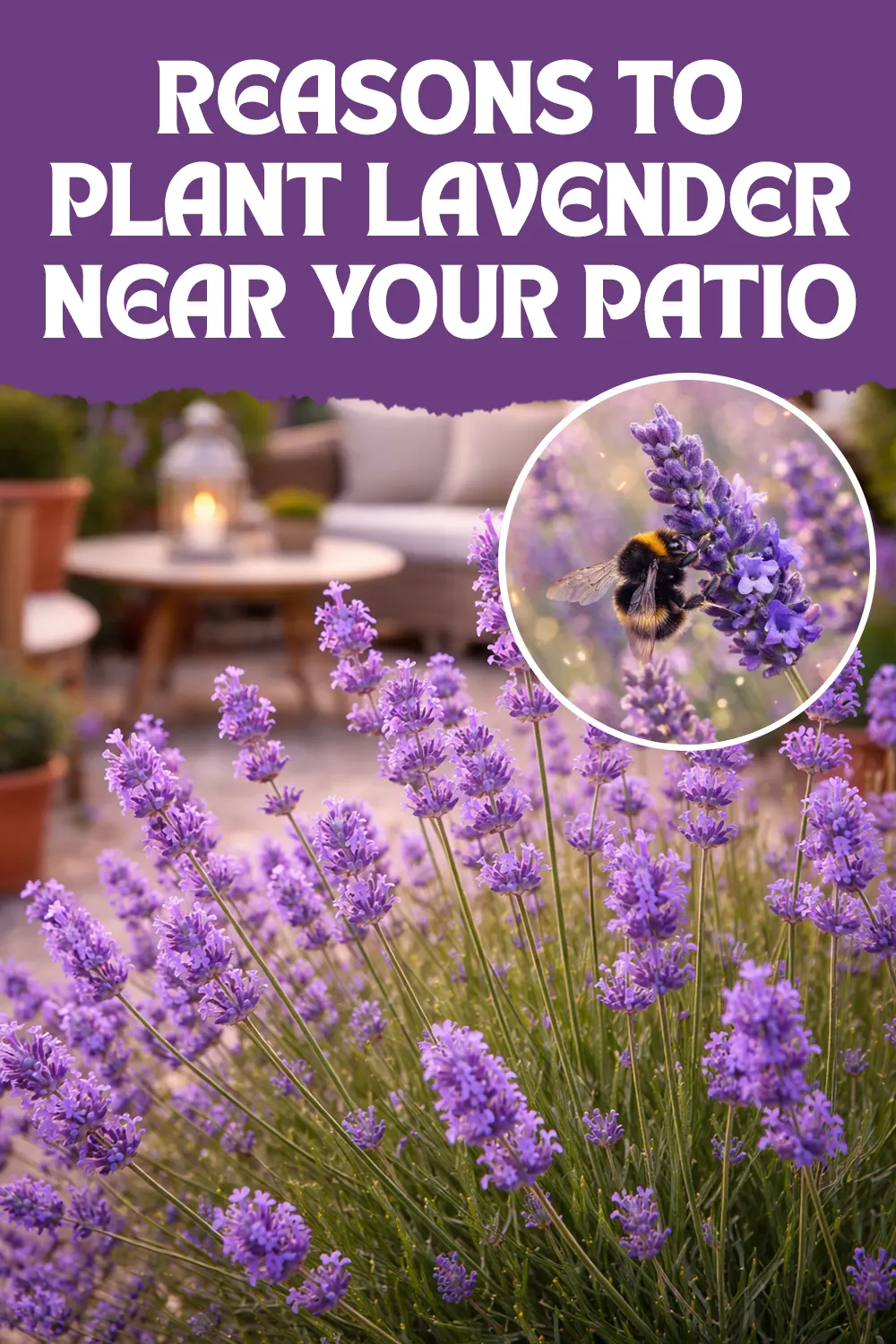
If you’ve been wondering whether lavender deserves a spot near where you relax, entertain, or enjoy your morning coffee, the answer is a resounding yes. Here are 11 compelling reasons why planting lavender near your patio might be one of the best garden decisions you’ll ever make.
Keeps Mosquitoes Away Naturally
Few things can ruin a pleasant evening on the patio faster than mosquitoes. Lavender offers an elegant, chemical-free solution to this problem. The essential oils in lavender leaves and flowers produce a scent that mosquitoes find overwhelming, causing them to seek friendlier territory.
The compounds linalool and linalyl acetate act as natural insect repellents. When you brush against the plants, you release even more aromatic oils into the air, creating an invisible protective barrier. Plant lavender in clusters around seating areas and near doorways for maximum effectiveness.
Brings Pollinators to Your Garden
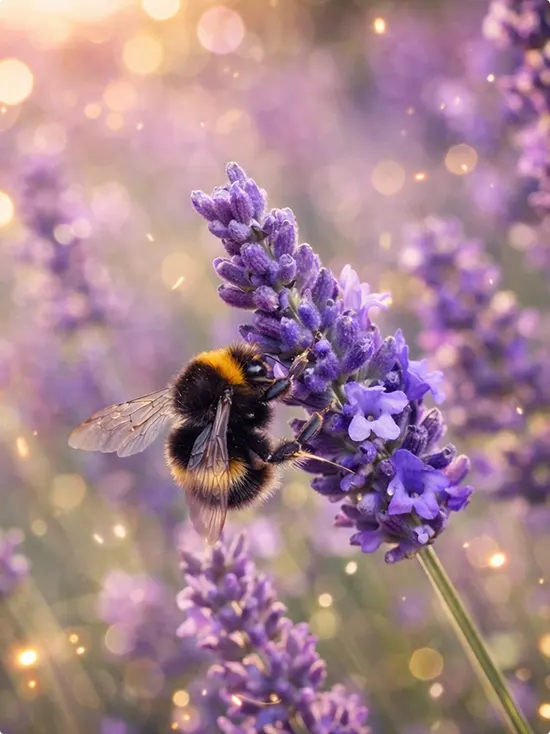
While lavender repels mosquitoes, it welcomes beneficial pollinators. Bees, butterflies, and hummingbirds are drawn to lavender’s nectar-rich flowers, creating a dynamic, living landscape. Watching these visitors adds wonder to your outdoor space while supporting local ecosystems.
Honeybees particularly love lavender, and the plants bloom from late spring through summer, providing essential food sources when pollinators need them most. These visitors also help fertilize your other garden plants, improving your entire garden’s health.
Requires Minimal Care
Lavender thrives on neglect. Once established, these hardy plants prefer lean soil and infrequent watering. They’re drought-tolerant, rarely need fertilizing, and resist most pests and diseases. A simple pruning after flowering and occasional trimming to maintain shape is all they need. This makes lavender perfect for busy gardeners who want beauty without constant maintenance.
Adds Fresh Flavor to Your Meals
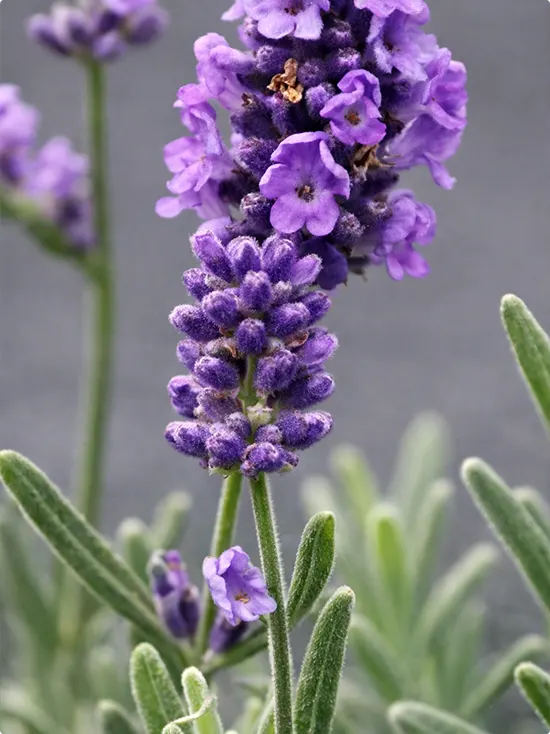
Having culinary lavender steps from your kitchen transforms your cooking. The flowers add a sophisticated floral note to both sweet and savory dishes. Sprinkle fresh buds over grilled chicken, infuse them into honey or sugar, blend into shortbread cookies, or steep in lemonade for an elegant twist.
Lavender pairs beautifully with lemon, honey, berries, and herbs like rosemary and thyme. Just remember that a little goes a long way—the flavor is potent, so start with small amounts and adjust to taste.
Looks Beautiful in Every Season
Lavender provides year-round visual interest. In spring, silvery-green foliage emerges fresh and vigorous. Summer brings spectacular flower spikes in shades of purple, blue, pink, or white. Even after blooming, the attractive foliage and compact shape maintain structure in your garden.
In winter, many varieties retain their evergreen leaves, providing texture and color when other plants have died back. The silvery foliage contrasts beautifully with darker greens and creates a Mediterranean aesthetic that makes your patio feel like a vacation destination.
Fills Your Patio with Calming Scents
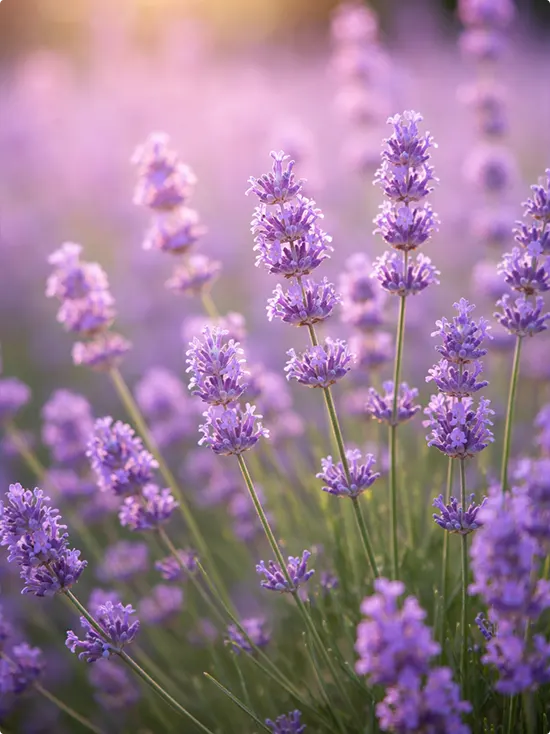
Lavender’s aromatherapy benefits are well-documented. The scent promotes relaxation, reduces stress, and can improve sleep quality. Having lavender near your patio means you’re surrounded by this therapeutic fragrance whenever you step outside to unwind.
The natural perfume intensifies on warm days and when you brush against the plants. Unlike artificial air fresheners, lavender’s scent is completely natural and never overwhelming. It creates an inviting atmosphere that makes your patio the place everyone wants to gather.
Deters Deer and Rabbits from Your Garden
Deer and rabbits can devastate a garden overnight, but they typically avoid lavender. The strong scent and aromatic oils that we find pleasant are off-putting to these common garden pests. Planting lavender as a border around your patio garden helps protect more vulnerable plants.
This natural deterrent is much more attractive than fencing and doesn’t require constant reapplication like sprays. Combined with other deer-resistant plants, lavender creates a beautiful defensive perimeter that keeps your garden safe.
Free Dried Flowers Whenever You Want Them
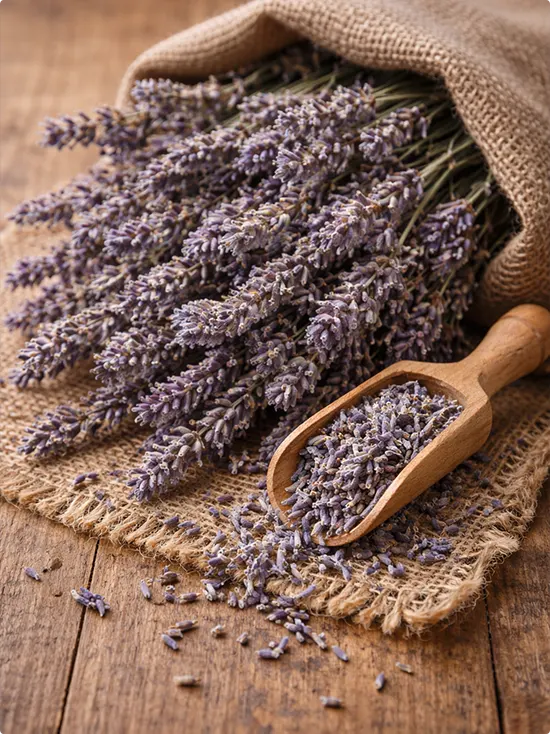
Lavender dries beautifully and retains its fragrance for months or even years. Harvest stems just as the flowers begin to open, bundle them with twine, and hang upside down in a dark, well-ventilated area. Once dried, you have endless creative possibilities.
Make sachets for drawers and closets, create wreaths and arrangements, add to homemade soaps and bath salts, or simply display bundles in vases. Having a lavender patch near your patio means you always have craft materials on hand, and harvesting becomes a pleasant outdoor activity.
Improves Air Quality Around Your Home
Like many plants, lavender helps purify the air by absorbing carbon dioxide and releasing oxygen. The aromatic compounds also have antimicrobial properties that can reduce airborne bacteria. While one plant won’t dramatically change your air quality, a thriving lavender border contributes to a fresher, cleaner atmosphere.
The pleasant scent also naturally freshens the air around your patio, making outdoor dining and relaxation even more enjoyable without synthetic fragrances.
Works as a Natural Border or Edging Plant
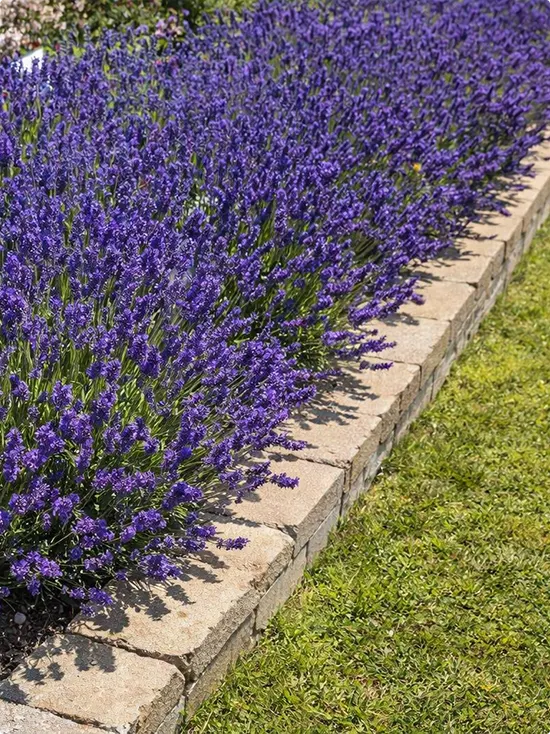
Lavender’s compact, mounded growth habit makes it ideal for defining spaces. Use it to line pathways leading to your patio, create low hedges that separate different garden areas, or edge flower beds for a polished look. The uniform shape and color create visual continuity that ties your landscape together.
Different varieties offer different heights, from compact eight-inch types perfect for edging to larger two-foot varieties suitable for hedging. This versatility means you can use lavender in multiple ways throughout your patio landscape.
Saves Money on Store-Bought Products
A productive lavender plant keeps giving. Harvest flowers for cooking instead of buying expensive culinary lavender. Make your own essential oils, cleaning products, and beauty items. Create sachets and gifts rather than purchasing them. The dried flowers replace air fresheners and potpourri.
Over time, the money saved on these store-bought items adds up significantly. Plus, you know exactly what’s in your homemade products—no mysterious chemicals or artificial fragrances. Your initial investment in a few lavender plants pays dividends for years to come.
Final Thoughts
Planting lavender near your patio is a decision that rewards you in countless ways. From practical pest control to sensory pleasure, from low maintenance to high versatility, this remarkable herb enriches your outdoor living space on every level. Whether you have room for a single plant in a container or space for a sweeping lavender border, you’ll find that this timeless herb quickly becomes an indispensable part of your patio garden.